
 FORGIATO WHEELS
 ARTIS WHEELS
 AMANI FORGED WHEELS
 4PLAY WHEELS
 DEFIANT WHEELS
 OE WHEELS REPLICA
 OEM WHEELS
 WHEEL SETS
 WHEEL SINGLES
 WHEEL TIRE SETS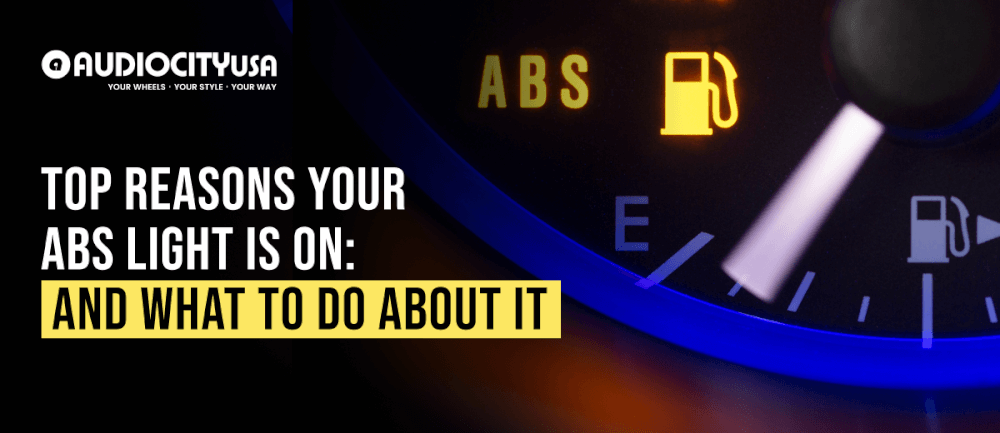
Your anti-lock braking system (ABS) is there to help you stay in control when you brake hard or drive on slippery roads. Think of it as a safety backup that keeps your wheels from locking up, so instead of skidding, your tires keep rolling and you can still steer.
Here’s how it works:
Each wheel has a sensor that keeps track of how fast it’s turning. If the system notices a wheel starting to lock up, it quickly pulses the brake pressure on that wheel. This rapid adjustment lets you slow down while keeping your steering responsive.
ABS is primarily designed to maintain steering control during hard braking, and while it can help reduce stopping distances on wet or paved roads, it may not shorten them on loose surfaces like gravel or snow.
When the ABS light comes on and stays lit, it’s your car’s way of saying something’s wrong. Your regular brakes will still work, but you won’t have the extra help ABS gives you in an emergency.
That’s why keeping the system in good shape matters. If you ignore the warning, you could face longer stopping distances and less control when you need it most, especially in rain, snow, or other tricky driving conditions.
Common Causes of the ABS Light
Low brake fluid
● Insufficient fluid level in the master cylinder – ABS relies on hydraulic pressure to operate. Low fluid reduces system pressure, preventing the ABS module from modulating brakes effectively. In some vehicles, low brake fluid may trigger the brake warning light, but it can also activate the ABS light if the hydraulic circuits ABS depends on are affected.
● Leaking brake lines or seals – Fluid loss from leaks not only lowers pressure but also introduces air into the system, which can cause spongy braking and trigger ABS deactivation.
● Worn brake pads increase fluid demand – As pads wear down, caliper pistons extend further, drawing more fluid from the reservoir. If the fluid drops below the sensor threshold, the ABS light may activate.
Dirty or failed wheel speed sensors
● Sensor contamination (dirt, debris, or brake dust buildup) – Disrupts accurate wheel speed readings, causing the ABS module to misinterpret data and disable ABS as a fail-safe.
● Corrosion on sensor or tone ring – Alters or blocks the magnetic signal needed for proper speed measurement, leading to ABS fault detection.
● Electrical failure or broken wiring – Interrupts communication between the wheel sensor and ABS module, leaving the system unable to detect wheel lockup accurately.
● ABS requires accurate data from all wheel speed sensors – If even one sensor fails, the ABS module may disable the entire system for safety reasons.
● A clean, functional sensor ensures accurate braking control – Operational sensors allow the ABS to monitor wheel rotation and apply braking pulses to prevent skidding.
Wheel speed sensors are mounted near the wheel hub, which means they can be affected by impacts, corrosion, or even damage to the wheel itself. If you’ve hit a pothole or curb and suspect damage, it’s smart to have both the wheel and sensor area inspected.WheelWorksGlobal can help you replace damaged wheels or worn tires with OEM Replicas or custom-fit options that ensure proper sensor alignment and fitment.

No comment